How to Actually Choose the Right Split Length for Running Shorts
Quick Answer: Shorter splits (2 to 3 inch inseam) generally allow the most unrestricted leg movement for faster running, while longer splits (5 to 7 inch inseam) offer more coverage and reduced chafing risk for those who prefer it, and the right choice mostly comes down to stride length, thigh contact, and personal coverage preference rather than one universally correct length.
There’s no single “best” split length — the right one depends more on how your thighs move and how much fabric-on-skin contact you’re comfortable with than on any general trend.
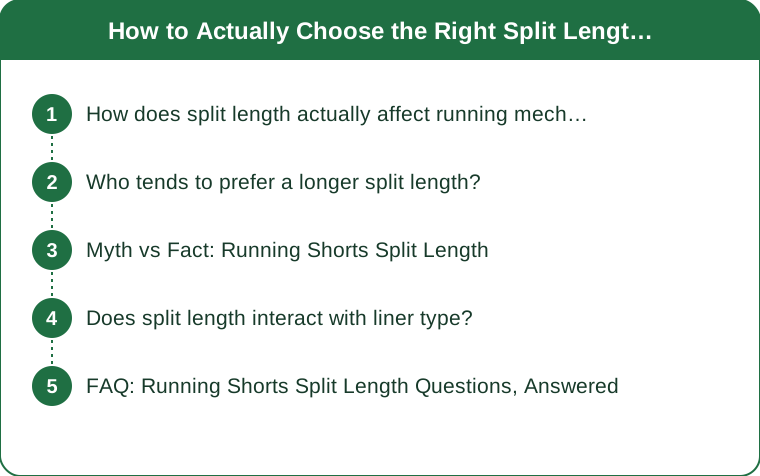
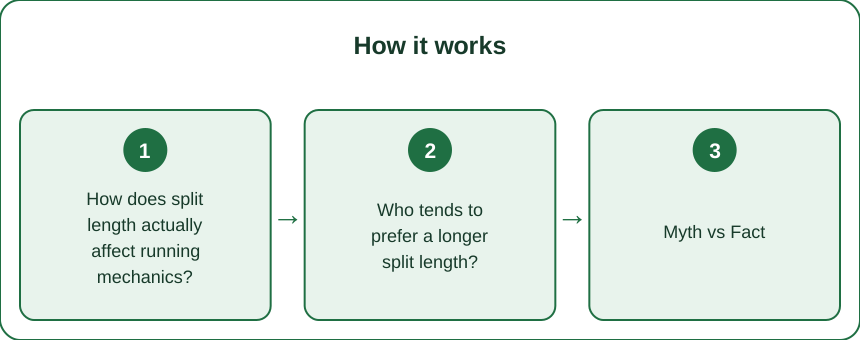
How does split length actually affect running mechanics?
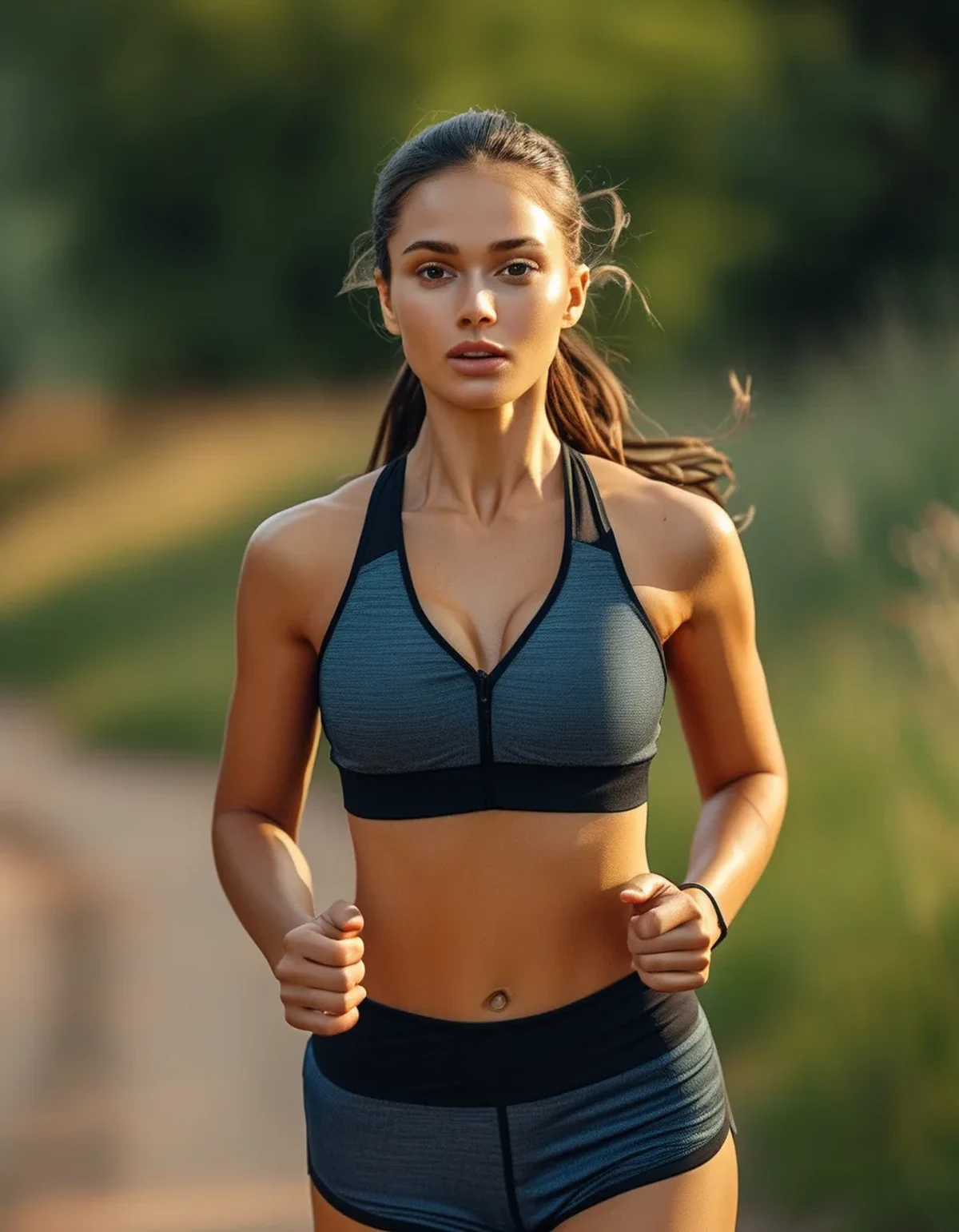
A higher, shorter split reduces fabric bunching at the hip during a longer stride, which some runners with a more pronounced stride find noticeably more comfortable at faster paces.
A shorter split doesn’t inherently make someone run faster, but it does remove a restriction some runners feel from longer inseams at full stride length.
Who tends to prefer a longer split length?
Runners with more thigh contact during a stride often prefer a slightly longer split, since a bit more length can reduce direct skin-on-skin rubbing compared to an extremely short cut.
Personal coverage preference is also simply valid on its own — plenty of runners choose longer splits purely for comfort with how much skin is exposed, independent of any performance consideration.

Myth vs Fact: Running Shorts Split Length
Myth: shorter splits are always faster or more “serious” for running. Fact: split length affects comfort and fabric movement, not running speed directly — plenty of elite runners train and race in a range of lengths.
Myth: split length doesn’t matter much once shorts have a good liner. Fact: split length affects how fabric moves during stride independent of the liner, and can still cause bunching or chafing regardless of liner quality.
Does split length interact with liner type?
A shorter split paired with a compression-style liner tends to move as one unit with less separate fabric bunching, which some runners find more streamlined for faster efforts.
A longer split with a looser liner offers more coverage and a different fit feel, generally preferred for easy runs or by runners who find compression liners uncomfortable.
FAQ: Running Shorts Split Length Questions, Answered
Is there a standard split length used in most races?
No official standard exists — split length is entirely a personal and brand-specific choice, not a competition requirement.
Does split length matter more for longer distance runs?
Somewhat — more time in a stride pattern means more cumulative chafing or bunching risk, making the right length choice more noticeable over longer distances.
Should split length change between seasons?
Some runners prefer slightly longer splits in cooler weather for a bit more coverage, though this is a preference rather than a functional requirement.
TL;DR:
- Shorter splits reduce fabric bunching at the hip during longer strides
- Longer splits offer more thigh coverage and can reduce skin-on-skin chafing for some runners
- Split length affects comfort and fabric movement, not running speed
- Liner type interacts with split length, so consider both together when choosing
The best split length is the one that matches your stride and comfort preference, not whatever length happens to be trending.
Keep Reading
This article is for general informational and styling purposes only. Fit, sizing, and product availability may vary.